Video 1 Video 2 Video 3 Video 4
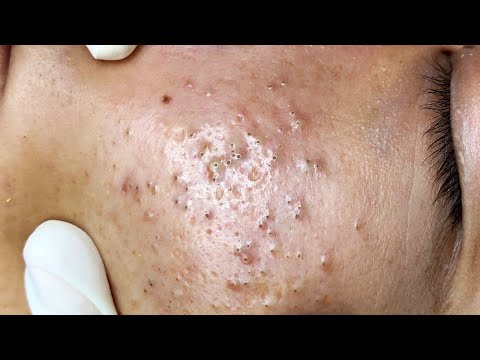
Chemical and physical exfoliation are two approaches used to influence the process of desquamation, the natural shedding of dead skin cells from the outermost layer of the epidermis. This process is closely tied to acne development, as impaired shedding can lead to follicular keratinization, where dead skin cells accumulate inside pores and mix with sebum. This combination contributes to the formation of comedones such as blackheads and whiteheads. Exfoliation methods aim to reduce this buildup, but they act through different mechanisms that can affect the skin barrier and acne progression in distinct ways.
Chemical exfoliation relies on active ingredients that dissolve or loosen the bonds between dead skin cells. Common examples include salicylic acid, an oil-soluble beta hydroxy acid that penetrates into pores and helps break down sebum and debris, and alpha hydroxy acids such as glycolic acid, which work more on the skin surface to improve cell turnover. Retinoids, although not traditional exfoliants, also influence keratinization and are often recommended in acne management for their ability to normalize cell turnover within pores. These ingredients are commonly used in routines for oily or acne-prone skin because they may help reduce clogged pores while supporting a more even skin texture.
Physical exfoliation, in contrast, involves manual removal of dead skin cells through friction. This can include scrubs with particles, brushes, or textured cleansing tools. While physical exfoliation may provide an immediate smoother feel, it does not directly address the underlying process of pore clogging. In some cases, especially in individuals with active acne or sensitive skin, excessive friction can disrupt the skin barrier, increase inflammation, and potentially worsen breakouts. This is particularly relevant when considering that acne-prone skin often already has a compromised barrier and heightened reactivity.
Several factors influence how each exfoliation method affects the skin. Hormonal activity can increase sebum production, making chemical exfoliants like salicylic acid more suitable due to their ability to penetrate oily environments. Skincare habits, such as over-cleansing or combining multiple exfoliating products, can lead to irritation regardless of the method used. Environmental factors, including humidity and pollution, may also contribute to pore congestion, making consistent but gentle exfoliation more important than aggressive approaches. Genetic differences in skin sensitivity and barrier resilience further determine how well an individual tolerates either method.
From a treatment perspective, chemical exfoliation is often preferred in evidence-based acne care because it targets the biological mechanisms involved in comedone formation. Salicylic acid is commonly used for blackheads and oily skin, while retinoids are frequently recommended for long-term management of both comedonal and inflammatory acne. Benzoyl peroxide may be incorporated to address acne-causing bacteria, and niacinamide can support barrier function and reduce inflammation. Physical exfoliation, if used, is generally recommended in a limited and gentle manner, avoiding inflamed areas and minimizing frequency to reduce the risk of irritation.
Realistic expectations are important when incorporating exfoliation into a skincare routine. Improvements in clogged pores and skin texture typically occur gradually as cell turnover normalizes over several weeks. Overuse of either chemical or physical exfoliation can compromise the skin barrier, leading to dryness, sensitivity, and potentially increased breakouts. For individuals with persistent or severe acne, consultation with a qualified dermatologist is often advised to develop a tailored treatment plan. A balanced approach that prioritizes barrier health while addressing pore congestion tends to be more sustainable and effective over tim.